
page
Categories

Search Results for

Grid List
Filter By

All Results

  • Blog
  • Tapered Pro Conical Anterior Teeth Replacement | Case Study

Article

Tapered Pro Conical Anterior Teeth Replacement | Case Study

BioHorizons-Camlog
Tapered Pro Conical Anterior Teeth Replacement

Case Study

Overview

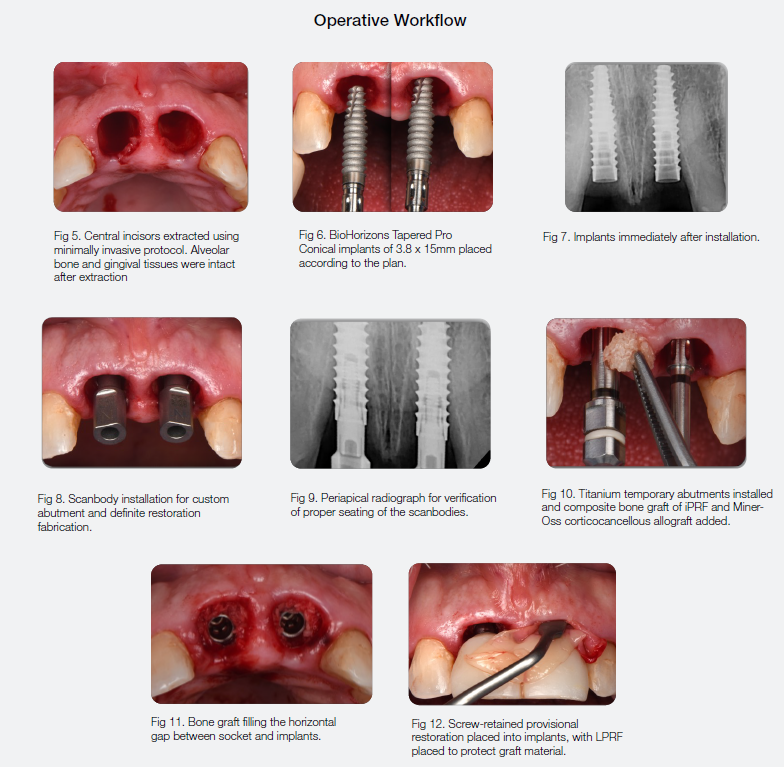
BioHorizons has introduced a new implant system that combines the advanced thread design of the Tapered Pro with the precision and stability of the Conelog conical connection. This integration delivers enhanced surgical handling, improved primary stability, and long-term biological benefits, supporting better patient outcomes in both aesthetic and functional zones.

This case was performed by Dr Homa Zadeh, DDS, PhD, a respected leader in periodontology and implant dentistry. Dr Zadeh's approach emphasizes biologically driven protocols and evidence-based techniques, making this case a strong example of clinical excellence using the Tapered Pro Conical system. It involves the replacement of two front anterior teeth after they fractured off and the full restoration process.
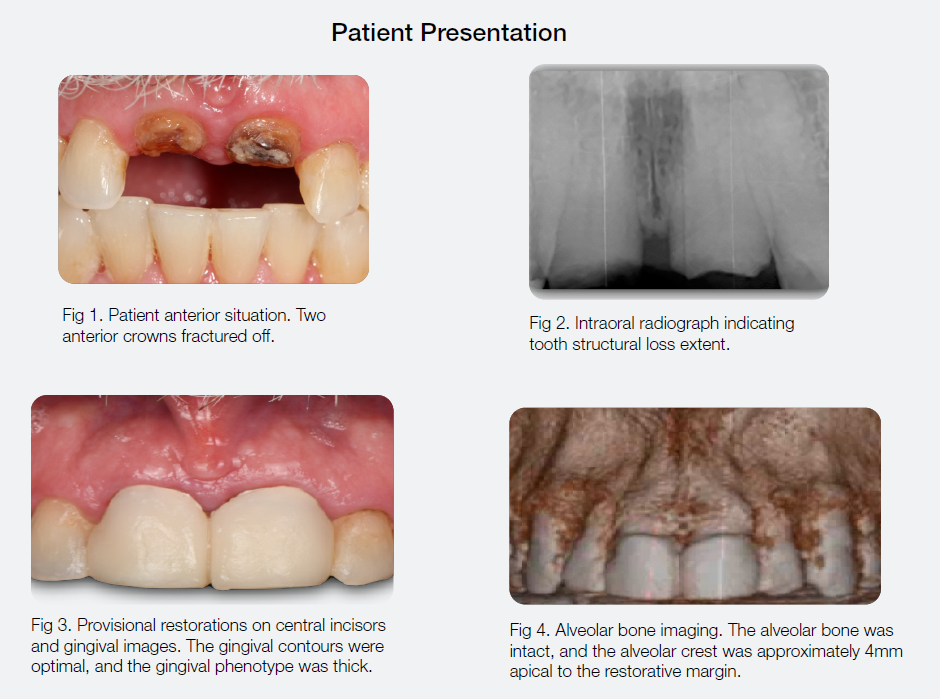
Patient Presentation
Operative Workflow


Post Operative Follow-Up


Latest Blog Articles

Use of a New Universal Flowable Composite

Use of a New Universal Flowable Composite
What are the most important properties of a flowable composite used for the flowable injection technique? Personal experience shows that balanced optical properties are essential, with an appropriate translucency, blend-in ability and surface gloss leading the way. However, the mechanical properties are also important, not least because the restorative material will be in direct contact with the antagonist teeth. And finally, handling properties are essential: The right level of flowability is needed for proper injection, while a void-free application is required for an intact, stainresistant surface.

Irradiance vs. Power: Curing Light Performance

Irradiance vs. Power: Curing Light Performance

As curing light technology improves, dentists are consistently sold on irradiance (mw per cm2) as being the defining factor in beam effectiveness. While there is no doubt irradiance adds value, it does not tell the full story of how well a light will cure various materials. Irradiance tests typically only show the irradiance of a very small portion of the light. Measuring the power distributed over the entire beam tells a more comprehensive story of its curing capabilities.