
In our day to day lives, we are increasingly bombarded by ‘marketing’ noise and messaging as to the best solutions to benefit our day-to-day routines, and for dentistry how to run our dental practice effectively.
Whether that’s details about the latest chair, PPE, imaging, tools – along with a whole array of software platforms, from finance to marketing to practice management workflows. Today, you can choose from a number of different options, and to help you we are going to explore just some of the differences between traditional on-prem server-based platforms and cloud solutions.
Server based solution
If the solution you are using is ‘on-premise’ then it is software that is installed, hosted and accessed entirely from a physical server or locally based computer in your dental practice.
This is a traditional method of hosting your data, and often this solution is only as secure as the lock on the front door of your practice – because all your sensitive patient data is stored on a server or computer located in your premises – even encrypted, this is a risk.
True cloud software
Cloud software uses a network of multiple remote servers hosted on the internet to store, manage and process data, rather than a local server or computer. True cloud based solutions are all around us. From keeping us connected with friends and family, streaming our entertainment and much more.
For dentistry, cloud software has been crucial for dental practices, from implementing contactless patient journeys, staying connected and overcoming staff shortages.
A true cloud solution can provide you access whenever you need it via multiple devices, it offers speed and resilience, instantaneous updates and back’s up without any interruption to the user.
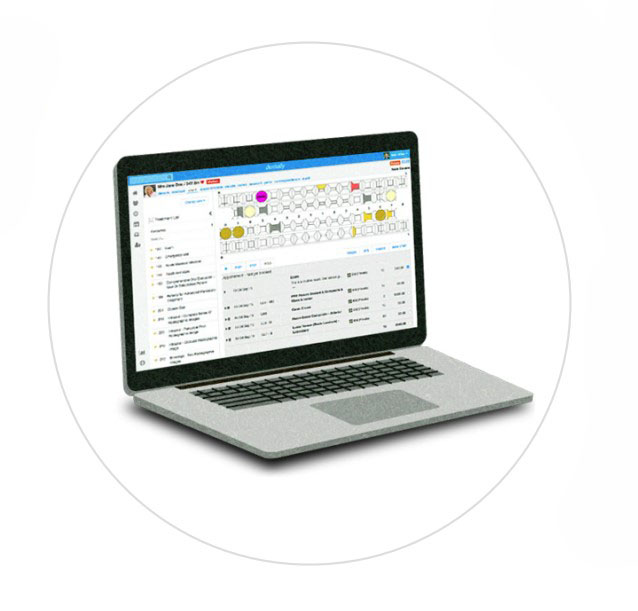
For your dental practice, true cloud solutions provide
- Security which is at the heart of cloud
- Shared infrastructure allowing for speed and resilience
- Instant updates and automatic back-ups
- No downtime for maintenance
- Real time views and reporting without delays
- Multiple users and devices
- Interconnectivity with other platforms to leverage the power of cloud technology
When making a decision surrounding the software that you use in your practice, it’s important to keep in mind your needs not only now, but for the future.
The best solutions should allow flexibility to grow and scale your practice whilst supporting and optimising your current workflows to deliver the best patient care: be it keeping your team and patients connected or maintaining a full appointment book.
Visit dentally.com to learn more.
Article published in Aug/Sep 2023 Dental Solutions